How to Know Which Type of Bed Actually Suits You

Introduction
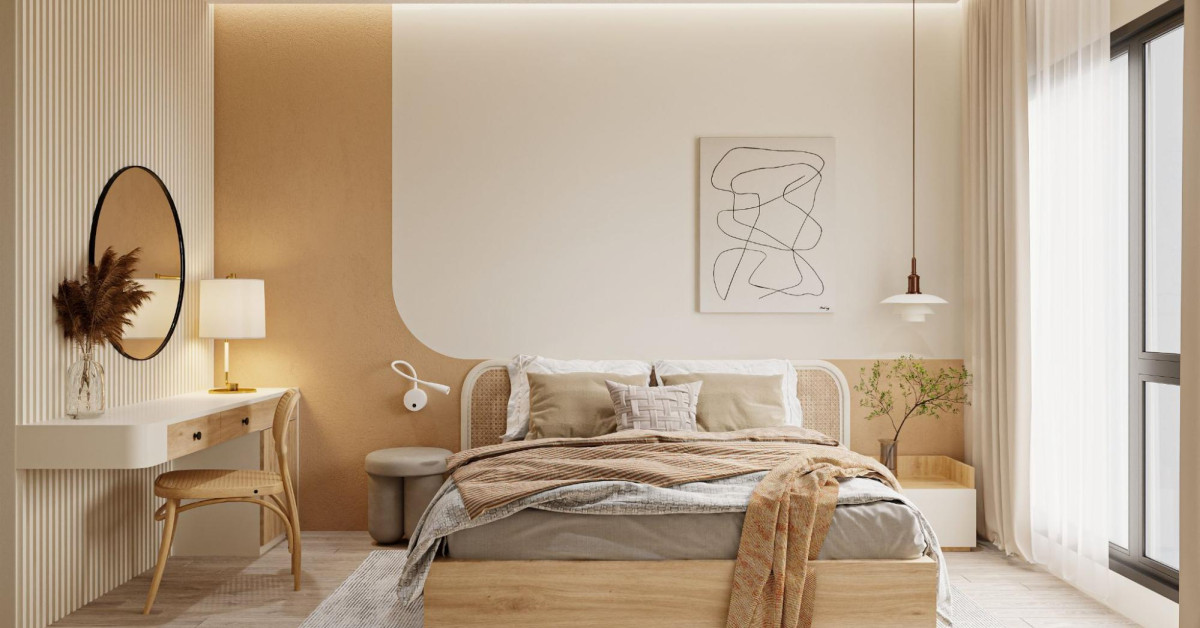
Your bedroom should work for you, not against you. But with so many options on the market, figuring out which type of bed actually fits your life can feel like a bigger decision than it needs to be.
In this guide, we break down the different types of beds and the key factors behind each one, helping you decide which type of bed is suitable for you based on practicality, comfort, and design.
What Determines the Right Type of Bed?
Before choosing between different types of beds, it helps to understand what factors matter most:
- Room size: Will the bed fit comfortably without overcrowding the space?
- Sleep style: Does your sleeping habit require more space or support, especially if you move frequently or share the bed?
- Ergonomics and height: Is the bed height suitable for easy access for all users, including older adults or children?
- Functionality: Do you need additional features such as built-in storage or multi-purpose use?
- Lifestyle needs: Who will be using the bed, and is it intended for daily use, guests, or children?
- Climate considerations in Malaysia: Are the materials and design suitable for humidity, ventilation, and long-term durability?
- Design preference: Does the bed match your preferred interior style, whether minimalist, modern, or classic?
- Budget: Does the cost align with your budget while meeting your long-term needs?
Different Types of Beds for Every Space
Here are some of the most common types of beds in Malaysia and what they are best suited for. We also cover their pros and cons, key considerations, and include suggestions for selected bed types to help guide your choice:
1. Platform Bed

A platform bed features a low-profile frame with built-in support, eliminating the need for a box spring. It offers a clean and modern look while keeping the structure simple and functional.
Best Suited For
- Modern and minimalist bedrooms
- Smaller spaces with clean layouts
Pros
- Sleek and simple design
- Usually more affordable
- Easy to maintain
Cons
- Lower height may not suit everyone
- Limited storage unless built-in
What to Consider
- Preferred bed height and ease of access
- Need for additional storage
- Compatibility with mattress type
Bed Example
The Mado bed is a modern platform bed with a low-profile frame and an oversized upholstered headboard for a refined look. Built with a durable Meranti wood frame and sturdy metal legs, it offers reliable support, while its water-repellent fabric ensures comfort and easy maintenance.
2. Storage Bed
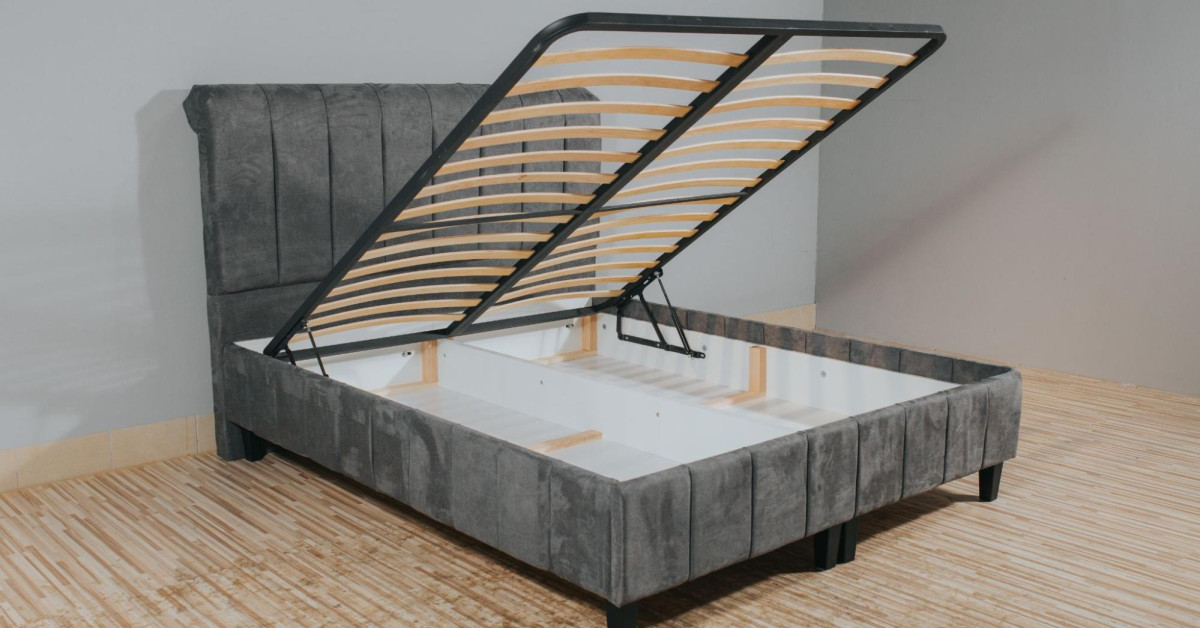
A storage bed includes built-in drawers or lift-up compartments beneath the mattress, making it a practical option for maximising space.
Best Suited For
- Small bedrooms or apartments
- Homes that need extra storage
Pros
- Maximises space efficiently
- Reduces the need for extra furniture
Cons
- Heavier and harder to move
- Typically higher cost
What to Consider
- Type of storage (drawers or lift-up)
- Ease of access to compartments
- Room layout and clearance space
3. Bunk Bed
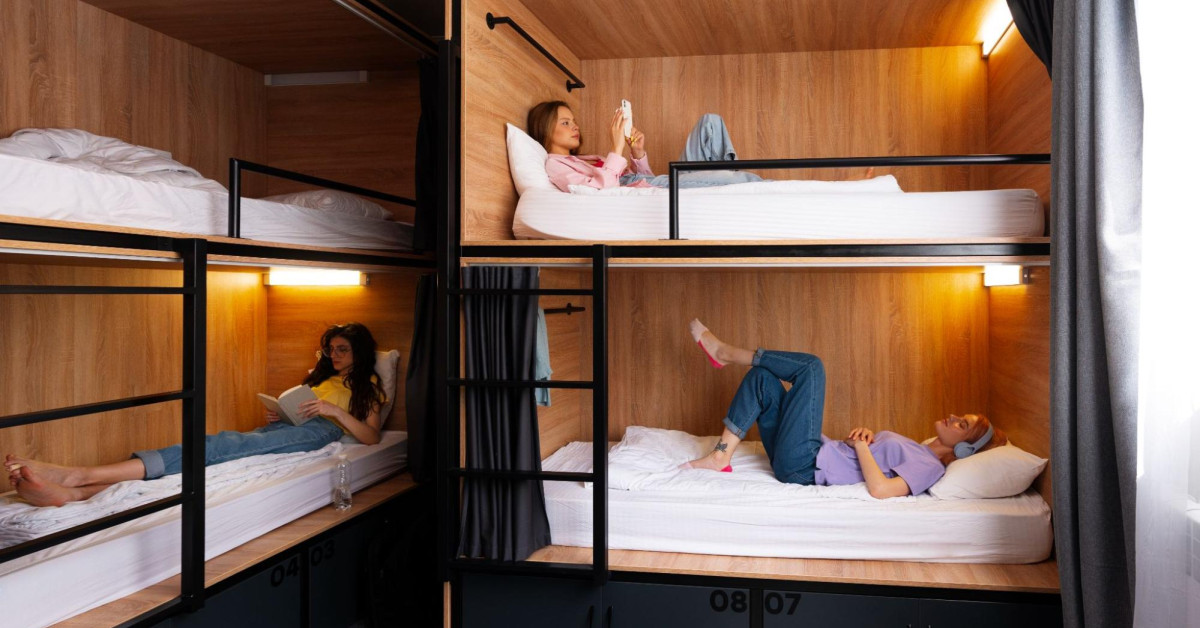
A bunk bed stacks two beds vertically, making it ideal for shared sleeping arrangements while saving floor space.
Best Suited For
- Children’s rooms
- Sibling or shared bedrooms
Pros
- Saves floor space
- Functional for multiple users
Cons
- Not suitable for all adults
- Requires sufficient ceiling height
What to Consider
- Ceiling height and safety clearance
- Age and needs of users
- Stability and safety features
4. Loft Bed
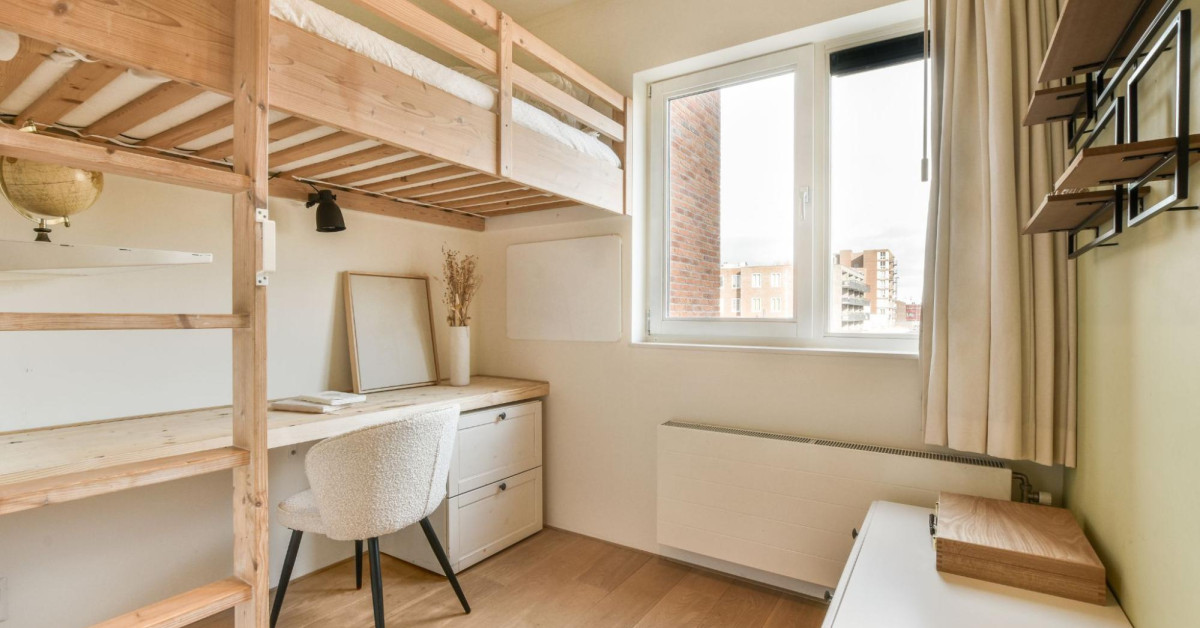
A loft bed elevates the sleeping area, creating usable space underneath for a desk, storage, or seating.
Best Suited For
- Compact rooms
- Students or young adults
Pros
- Creates multi-functional space
- Great for small layouts
Cons
- Requires climbing
- Not ideal for low ceilings
What to Consider
- Ceiling height and safety
- Intended use of the space below
- Accessibility and comfort
5. Canopy Bed
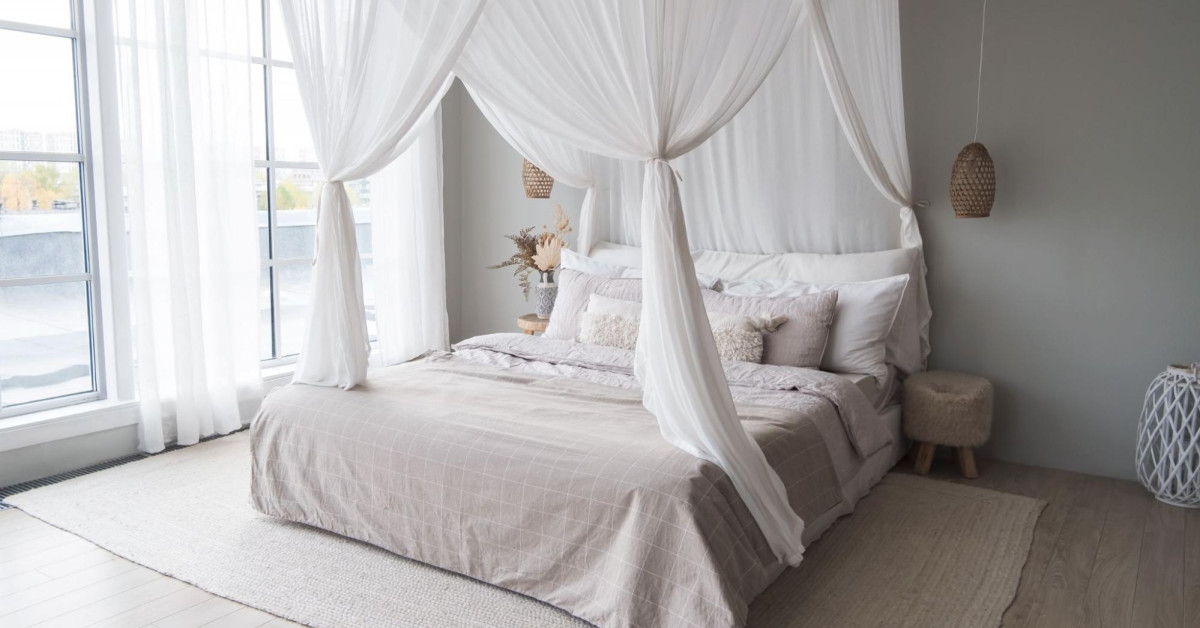
A canopy bed features four posts with a frame that can support fabric or draping, adding a decorative and structured look to the bedroom.
Best Suited For
- Larger bedrooms
- Decorative or luxury interiors
Pros
- Strong visual statement
- Adds elegance and depth
Cons
- Takes up more visual and physical space
- Requires higher ceilings
What to Consider
- Room size and ceiling height
- Overall bedroom design style
- Maintenance of fabric elements
6. Divan Bed
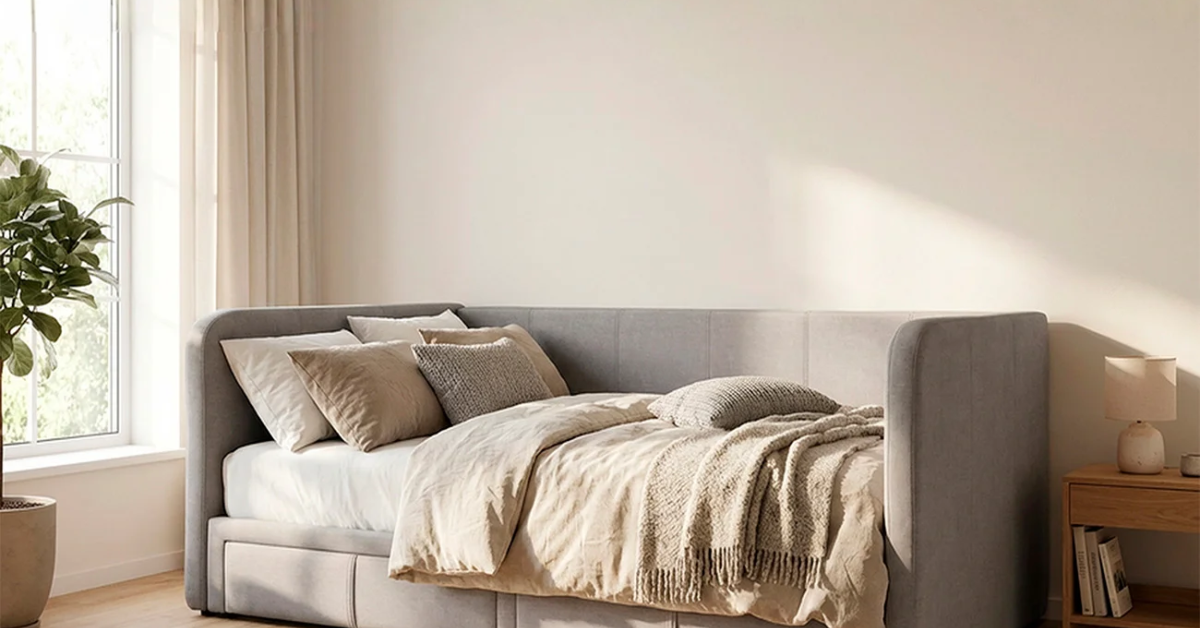
A divan bed consists of a solid base, often paired with a mattress and optional storage, focusing on practicality and simplicity.
Best Suited For
- Practical, no-frills setups
- Guest rooms or rental units
Pros
- Compact and functional
- Often includes storage options
Cons
- Limited design variety
- Less visually distinctive
What to Consider
- Storage configuration
- Durability and long-term use
- Compatibility with bedroom style
Bed Example
The Lulu Bed with Revive Mattress is a functional divan bed with built-in storage drawers, offering a clean, compact design that keeps your space organised. Built with a durable Meranti wood frame and OEKO-TEX® certified upholstery, it provides reliable support, while the Revive Mattress adds breathable comfort and responsive sleep support.
7. Pull-Out Bed
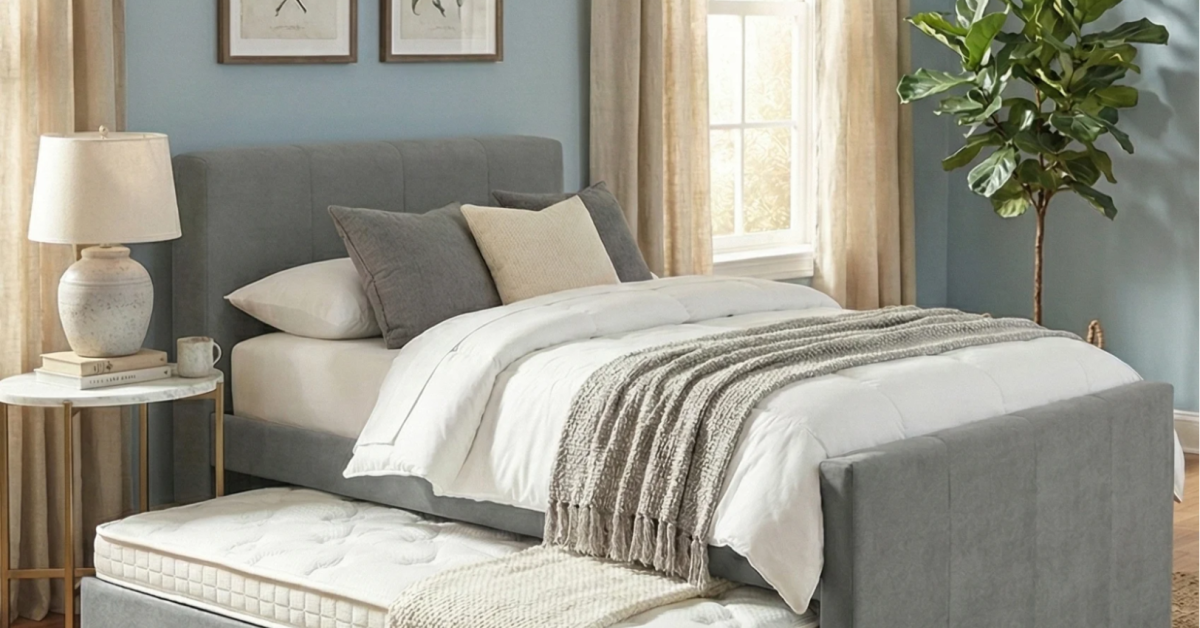
A pull-out bed includes a secondary mattress stored beneath the main bed frame, which can be pulled out when needed. It is a practical solution for accommodating additional sleepers without taking up permanent space.
Best Suited For
- Guest rooms
- Multi-purpose or shared spaces
Pros
- Space-saving for occasional use
- Convenient for accommodating guests
- Maintains a clean layout when not in use
Cons
- Lower sleeping height for the pull-out section
- May be less comfortable for long-term use
What to Consider
- Frequency of use for the pull-out bed
- Ease of extending and storing
- Mattress comfort and support
Bed Example
The Ina Bed with Sleepy Mattress is a practical pull-out bed that offers an additional sleeping space which can be easily tucked away when not in use. Upholstered in breathable Tencel™ fabric, it provides comfortable, OEKO-TEX® certified support for everyday use or guests.
8. Futon Bed
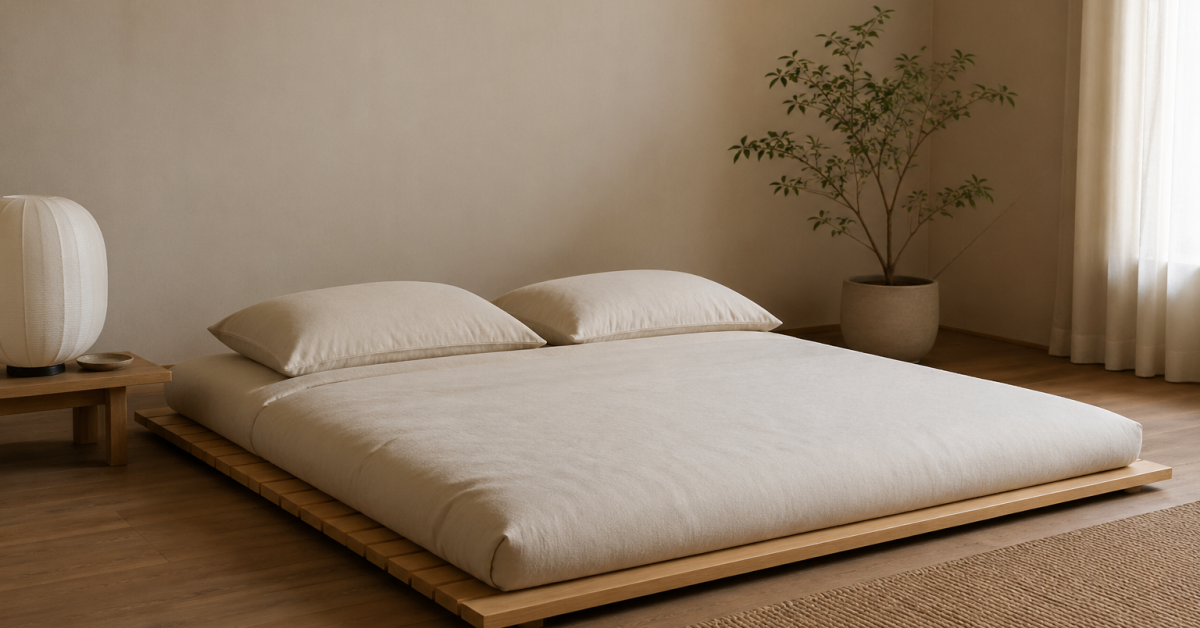
Best Suited For
- Small apartments or multi-use rooms
- Guest rooms or occasional sleeping setups
- Minimalist or space-saving lifestyles
Pros
- Space-saving and easy to store when not in use
- Can double as seating when paired with a frame
- Lightweight and easy to move
- Generally more affordable than traditional beds
Cons
- Lower height may not be comfortable for everyone
- Less support compared to standard mattresses
- May require frequent folding and maintenance
- Can feel less durable for long-term daily use
What to Consider
- Mattress thickness and level of support for your comfort needs
- Frequency of use, especially for daily vs occasional sleeping
- Ease of folding, storage, and handling
- Floor type and ventilation to prevent moisture build-up
Which Type of Bed Works Best for Your Space
1. Small Bedrooms
When space is limited, the focus should be on maximising functionality without overcrowding the room. Compact and space-saving bed types work best here.
- Platform bed
- Storage bed
- Futon bed
- Divan bed
2. Families or Shared Spaces
For shared rooms or households with multiple users, beds that accommodate more than one sleeper or offer flexibility are ideal.
- Bunk bed
- Pull-out bed
3. Master Bedrooms
Larger bedrooms allow for more design-focused choices that prioritise comfort, presence, and overall aesthetics.
- Canopy bed
- Platform bed
4. Multi-functional Living
If your space serves multiple purposes, such as combining sleeping, working, or storage, versatile bed types can help maximise usability.
- Loft bed
- Storage bed
- Futon bed
- Divan bed
Common Mistakes to Avoid when Choosing The Type of Bed
When choosing between different types of beds, avoid these common issues:
- Ignoring room size and layout
- Choosing style over practicality
- Not considering long-term needs
- Overlooking storage requirements
- Buying without checking dimensions
- Forgetting to account for door and window clearance when placing the bed
- Underestimating the importance of mattress compatibility with your chosen bed frame
- Skipping ventilation considerations, especially in Malaysia’s humid climate
- Not thinking about who else will be using the bed, whether children, elderly family members, or guests
- Focusing only on the bed and neglecting how it works with the rest of your bedroom furniture
Conclusion
There is no single answer to which type of bed is suitable for you. The right choice depends on how you use your space, your comfort needs, and your lifestyle.
The goal is simple: find a bed that balances comfort, function, and design, creating a bedroom that works for you now and in the long run. At Kinsen Home, we help you get there. Browse our range of bedding or reach out to our team to find the type of bed that is built around your life.
Frequently Asked Questions About Types of Bed
1. Which type of bed is best for small bedrooms?
Space-saving options like platform beds, storage beds, and futon beds work best for small bedrooms as they maximise functionality without overcrowding the space.
2. What type of bed is suitable for families or shared rooms?
Bunk beds and pull-out beds are ideal for shared spaces, as they accommodate multiple sleepers while saving floor space.
3. Are storage beds or divan beds better?
Both offer storage, but divan beds are more compact and streamlined, while storage beds often provide larger or more accessible compartments. The better choice depends on your space, storage needs, and layout preferences.
4. What is the most practical type of bed for everyday use?
Platform beds and divan beds are among the most practical options due to their simplicity, durability, and ease of maintenance.
5. What type of bed is best for a modern bedroom?
Platform beds are commonly preferred for modern bedrooms due to their clean lines and minimalist design.
6. Are canopy beds suitable for all bedrooms?
Canopy beds are best suited for larger bedrooms with higher ceilings, as they take up more visual and physical space.
7. What type of bed is easiest to maintain?
Platform beds and divan beds are generally easier to maintain due to their simple structure and fewer moving parts.