Guide to Bed Sizing in Malaysia: What Size Is Best?

Introduction
Sleep shapes more than just how rested you feel. It affects your focus, your mood, and how well you function through the day. The National Sleep Foundation in the United States recommends seven to nine hours each night for adults, and the foundation of getting that rest right starts with your bed.
Choosing the right bed size is one of the most important decisions in getting your sleeping environment right. Each option offers different benefits depending on your needs and bedroom layout. This guide explores common bed sizes in Malaysia, along with key factors to consider and tips for choosing the best option for your space.
Components of a Bed When Discussing Bed Size
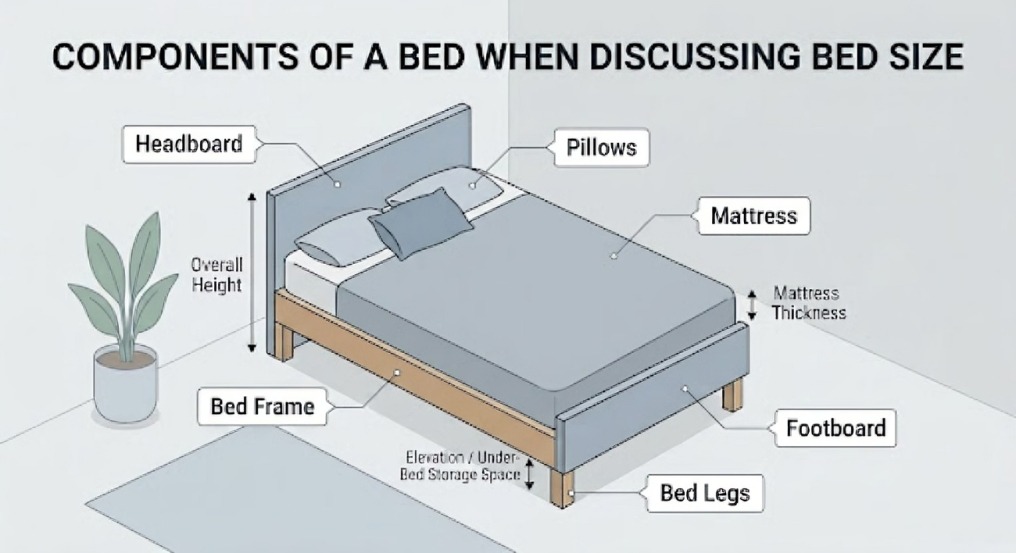
Before comparing sizes, it helps to understand the key components and measurements that determine how much space a bed actually takes up in your room:
- Bedframe: The structural base that holds everything together. Its design can add slightly to the overall footprint beyond the mattress dimensions.
- Mattress: The main sleeping surface and the measurement that defines the official bed size, whether that is single, super single, queen, or king.
- Headboard: The part that sits at the head of a bed and is typically slightly wider than the mattress (adding about 0–4 inches to the overall width). It should support your back when sitting up while also fitting the height of your room.
- Footboard: Attached to the lower end of the bedframe. Like the headboard, it can extend the total length of the bed beyond the mattress itself.
- Bed Legs: Elevate the frame off the floor, which increases the bed’s overall height and the amount of under-bed storage available.
- Mattress Thickness: The height of the mattress. It affects comfort, support, and how high the bed sits overall.
What Bed Sizes are There in Malaysia?
Bed sizes in Malaysia are defined by the dimensions of mattresses, which are measured by width and length. While measurements can vary slightly between brands, most follow a similar standard.
The most common options are Single, Super Single, Queen, and King, each suited to different room sizes and sleeping needs. Knowing these dimensions helps you choose a bed that fits your space comfortably:
|
Size |
Dimensions (cm) |
Dimensions (inches) |
Typical Use |
|
Single |
90 x 190 |
36 x 75 |
Children’s bedrooms, guest rooms, dormitories, small spaces |
|
Super Single |
107-110 x 190 |
39-42 x 75 |
Teenagers, single adults, compact apartments |
|
Queen |
152 x 190 |
60 x 75 |
Couples or single sleepers who prefer more space |
|
King |
183 x 190 |
72 x 75 |
Couples wanting extra room, families who co-sleep, and larger bedrooms |
Since bed sizes are determined by mattress dimensions, choosing the right mattress is just as important as selecting the bedframe. For more guidance, read our guide on choosing the right mattress.
Single Bed Size
- Dimensions: 90 cm × 190 cm (36 in × 75 in)
- Compact and space-saving, making it ideal for children’s bedrooms, guest rooms, or small spaces.
- Designed for one sleeper, offering comfortable rest without taking up too much floor space.
- Commonly used in shared children’s rooms, dormitories, or rental units where space efficiency matters.
Super Single Bed Size
- Dimensions: 107–110 cm × 190 cm (42–43 in × 75 in)
- Slightly wider than a single bed, providing extra room to move during sleep.
- Suitable for teenagers or adults who sleep alone but want more comfort.
- Often chosen for teen bedrooms, guest rooms, or compact apartments.
Queen Bed Size
- Dimensions: 152 cm × 190 cm (60 in × 75 in)
- One of the most popular bed sizes in Malaysia.
- Provides a comfortable sleeping space for couples while fitting in most bedrooms.
- Also suitable for single sleepers who prefer a larger bed.
King Bed Size
- Dimensions: 183 cm × 190 cm (72 in × 75 in)
- The largest standard bed size commonly available in Malaysia.
- Offers generous sleeping space for couples who want extra room.
- Best suited for larger bedrooms or families who occasionally co-sleep with children or pets.
Factors to Consider When Choosing the Right Bed Size
Choosing the right bed size is not always a case of go big or go home. Your bedroom layout, sleeping habits, and daily needs all influence what will actually work best for your space.
Some key factors to consider include:
1. Room Size and Layout
Start by measuring your bedroom. While a larger bed may offer greater comfort, it should still leave enough room to move around and accommodate other furniture such as bedside tables, wardrobes, or drawers.
Having enough walking space is important for everyday movement and helps keep the bedroom feeling comfortable and uncluttered. A bed that is well-proportioned to its space will maintain the balance and functionality of the space.
2. Number of Sleepers

Consider who will be using the bed. Single beds typically suit children or solo sleepers, while couples often prefer queen or king sizes for added comfort. Larger beds may also be helpful if pets or children occasionally share the bed.
3. Sleeping Habits and Preferences
Your sleeping style can influence the size you need. If you move around frequently or prefer more personal space, a wider bed can make a noticeable difference in comfort and reduce sleep disturbances.
4. Storage Needs
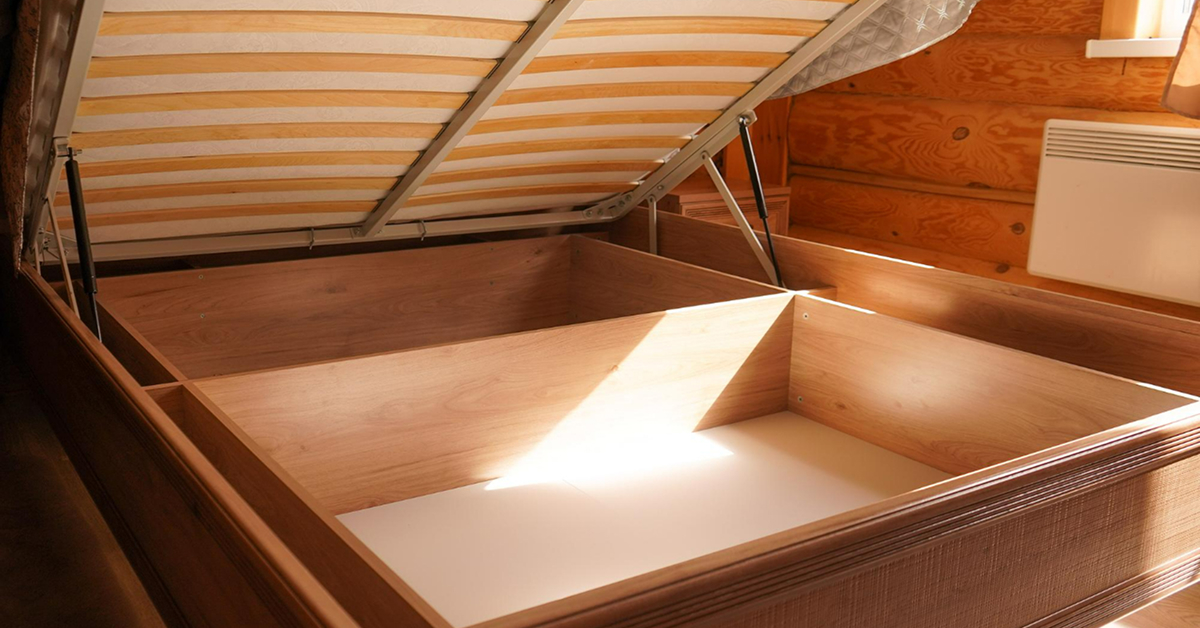
If your bedroom has limited storage or you simply have many items to keep organised, the type of bed you choose can make a difference.
Beds with built-in drawers or compartments provide additional storage space for bedding, clothing, and other essentials, helping keep the room tidy and functional.
5. Future Needs
It is also worth thinking ahead. Children may outgrow smaller beds, and couples may eventually prefer more sleeping space. Choosing a bed size that accommodates future needs can help you avoid replacing it too soon.
Bedframe Styles and the Bed Sizes They Suit Best
The style of your bedframe affects both the aesthetics and functionality of your bedroom. The right design can make the same bed size feel more spacious, comfortable, and practical for everyday use.
Here are some common bedframe styles and the bed sizes they are best suited for:
1. Pull-Out Beds
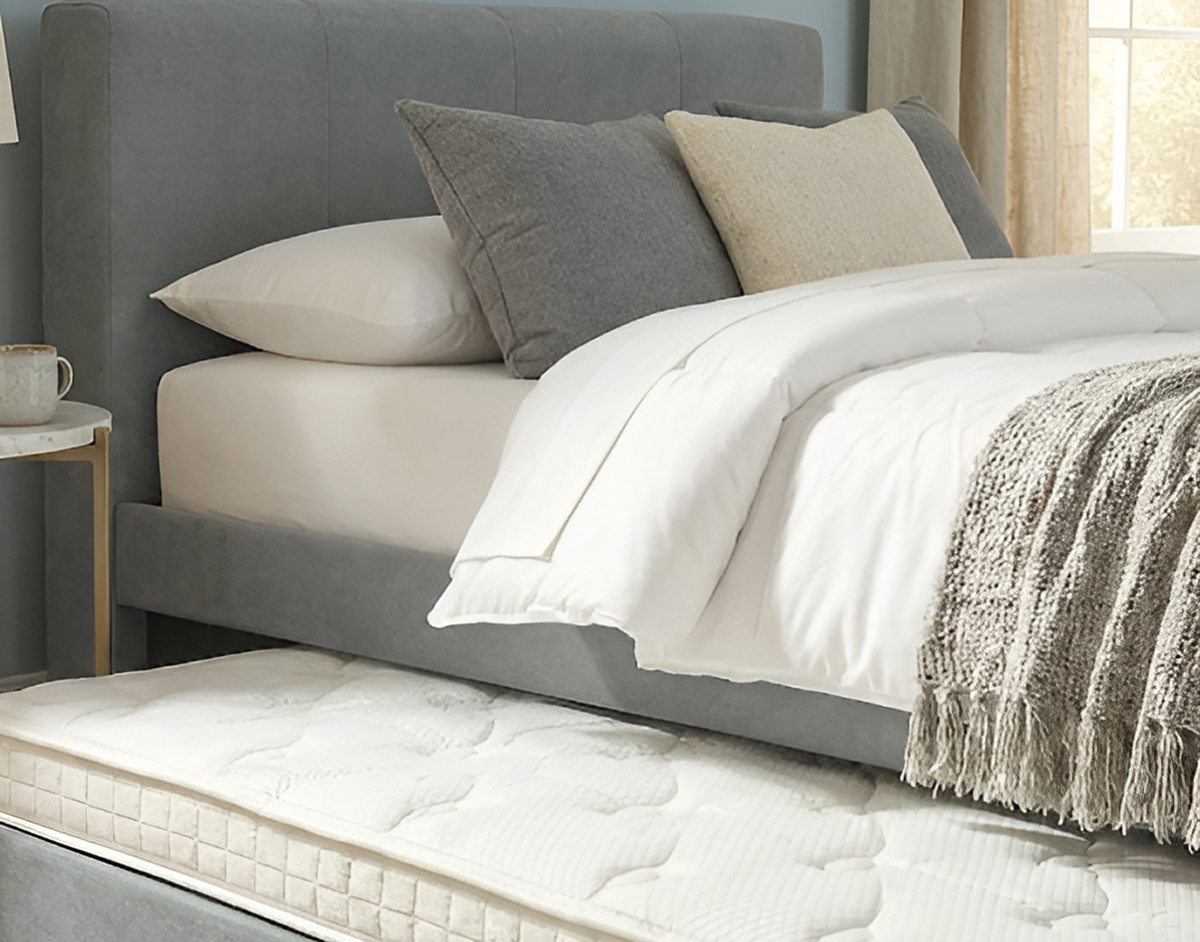
Pull-out beds feature a hidden secondary bed stored beneath the main frame that can be pulled out when needed. This space-saving design provides an extra sleeping area for guests, siblings sharing a room, or parents who co-sleep with their children.
A good example is the Ina Bed with Sleepy Mattress, which combines a practical pull-out design with comfortable mattress support for shared bedrooms or guest use.
Best Suited For: Single and Super Single bed sizes.
2. Platform Beds
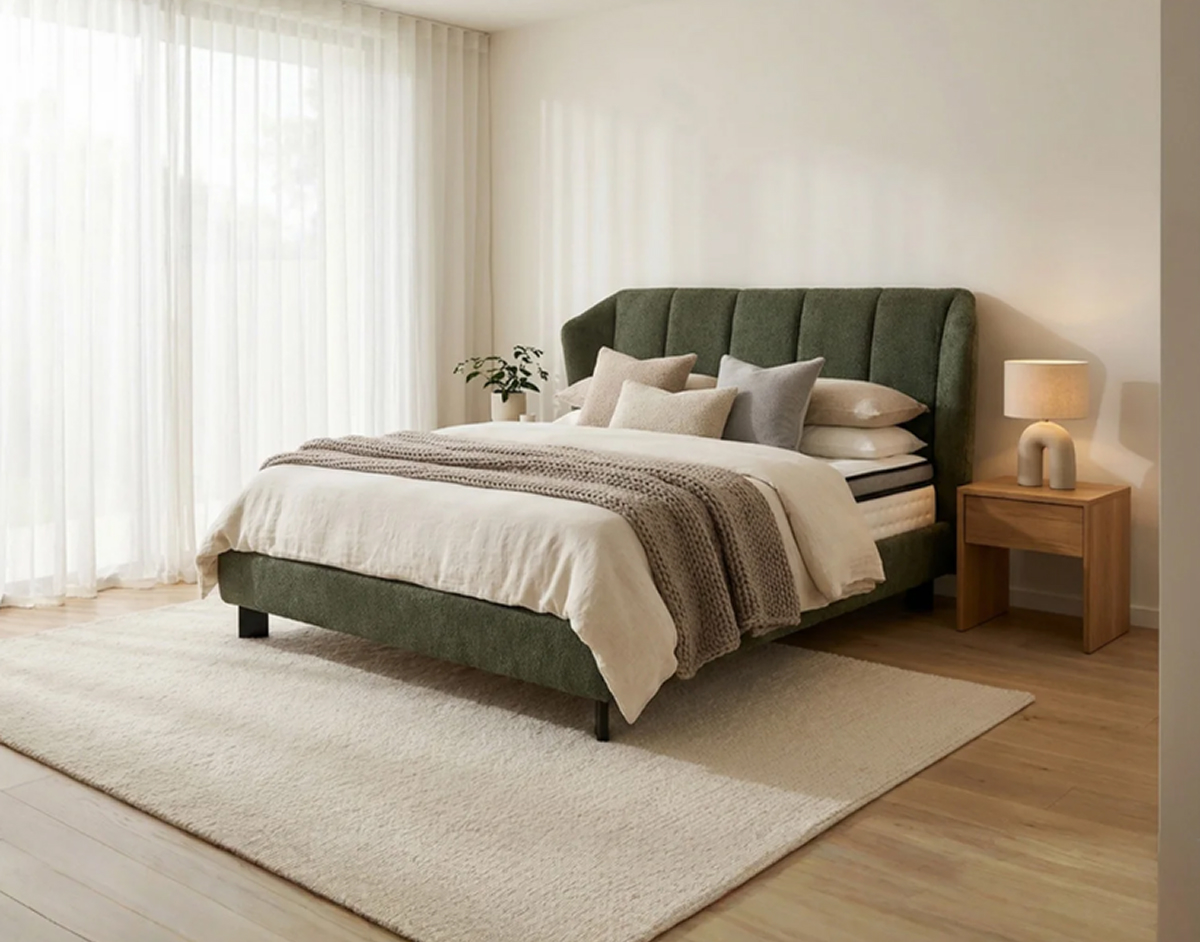
Platform beds have a low-profile design with built-in mattress support, eliminating the need for a box spring. Their minimalist structure works well in modern interiors and helps create a clean, spacious look.
An example is the Mado bed, which features an upholstered platform base that provides sturdy mattress support. It also includes a headboard with vertical panels and wingback sides, adding a refined touch to the bedroom.
Best Suited For: Single, super single, and queen bed sizes in modern bedrooms or smaller living spaces.
3. Divan Beds
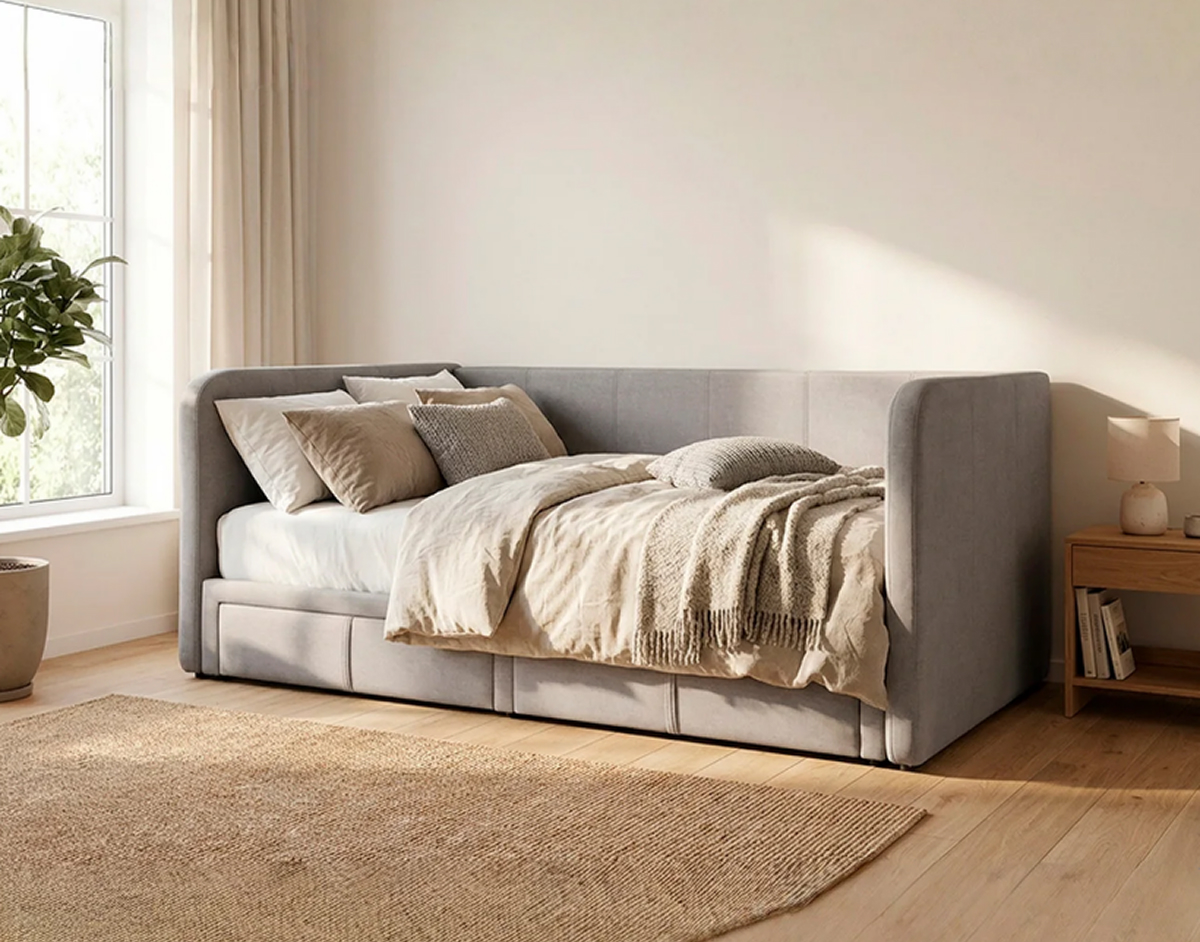
Divan beds feature a solid base, often with built-in drawers or storage compartments, making them a practical and compact choice for everyday use. This design helps keep the bedroom organised while maintaining a clean and streamlined look.
The Lulu Bed with Revive Mattress features two spacious storage drawers beneath the base, providing a convenient way to store bedding, clothing, or other household items.
Best Suited For: Queen and king bed sizes in apartments or bedrooms with limited storage.
4. Upholstered Beds
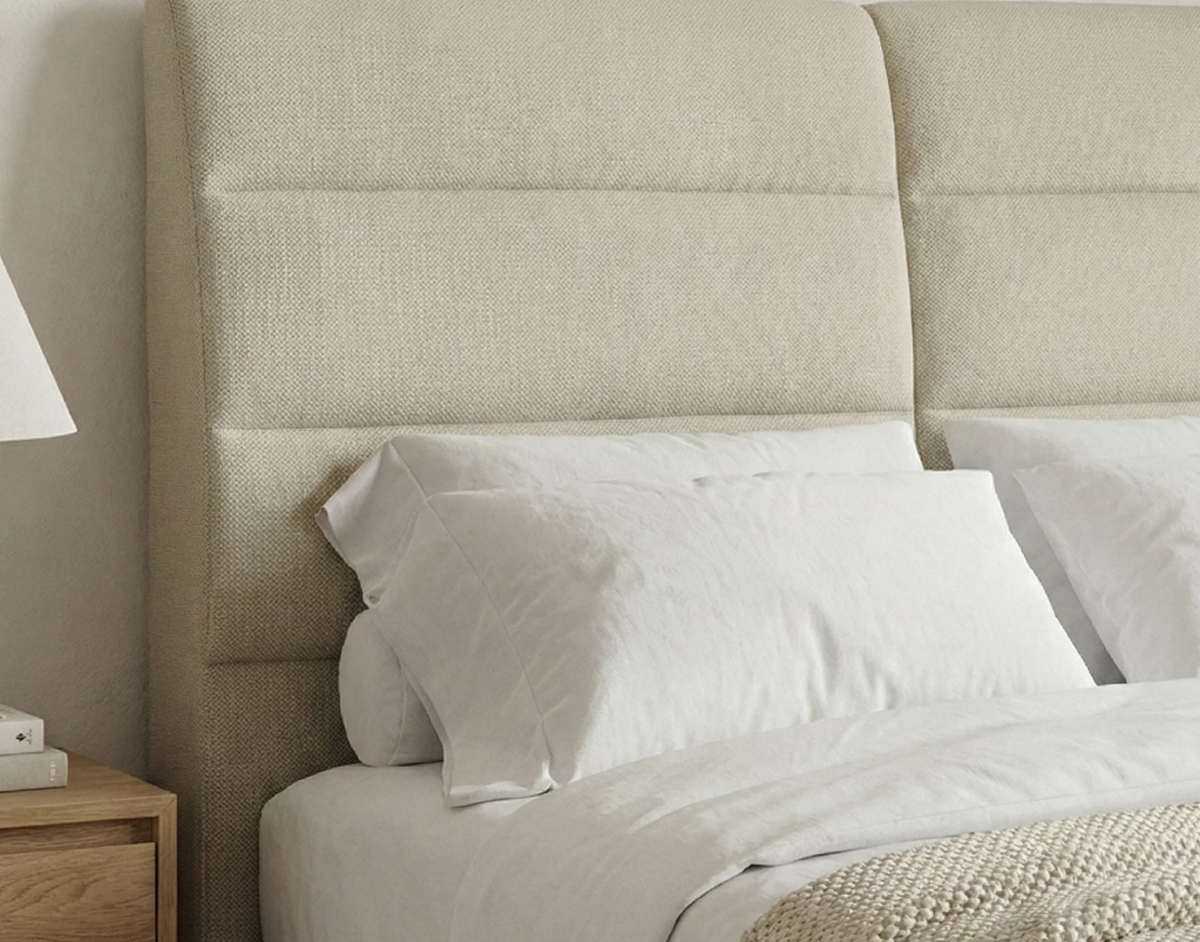
Upholstered bedframes feature padded headboards and fabric finishes that add comfort and a touch of luxury. The soft backing also provides support for sitting up in bed while reading or watching television.
A great example is the Elio, an upholstered bed with a sturdy frame built for lasting support and comfort, finished with a timeless look that suits any bedroom style.
Best Suited For: Queen and king bed sizes in master bedrooms or stylish bedroom interiors.
5. Bunk Beds
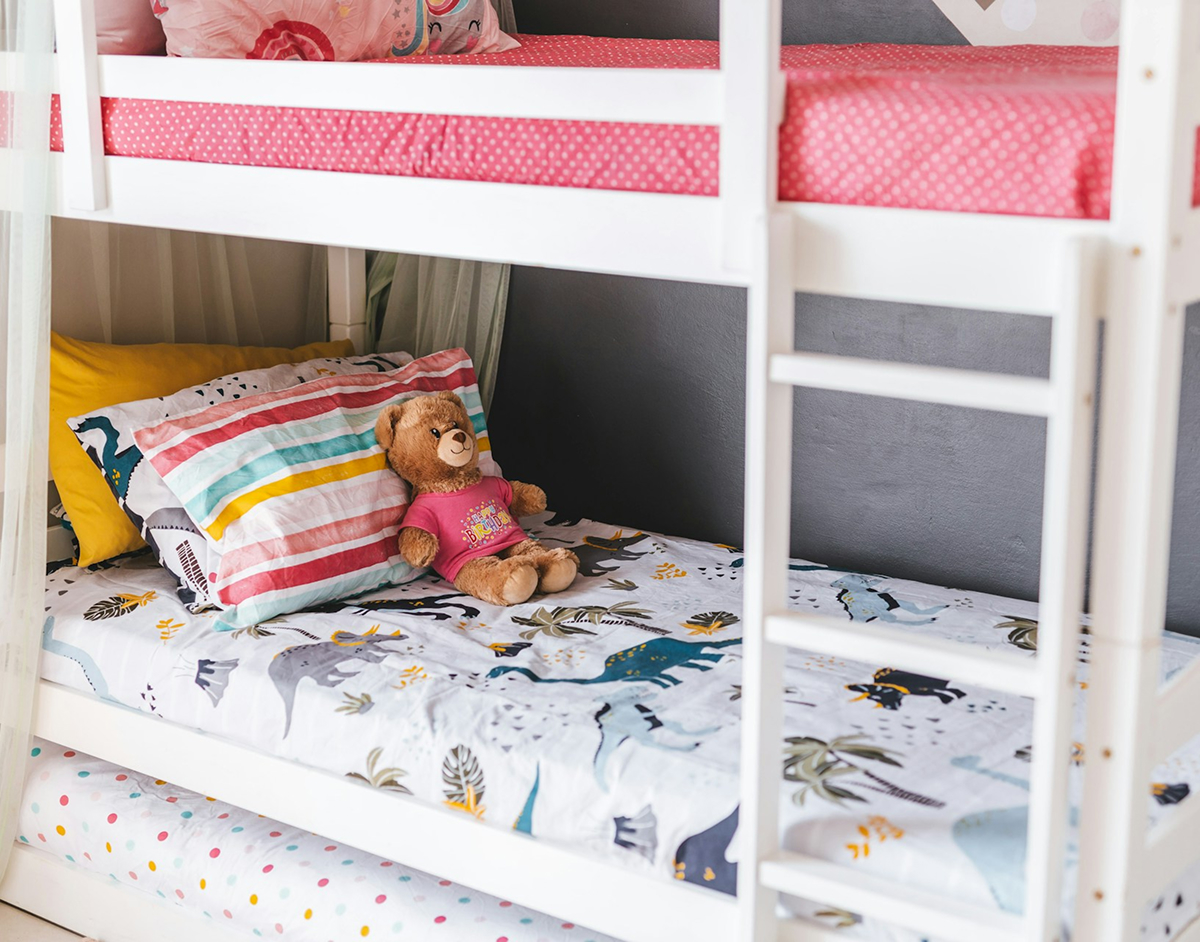
Bunk beds stack two beds vertically to maximise floor space, making them a practical solution for shared bedrooms. While bunk beds can come in different sizes, including queen configurations, the most common design uses single beds to accommodate one person per level.
Best Suited For: Single bed sizes in children’s bedrooms or shared rooms.
Tips for Choosing the Best Bed Size for Your Bedroom Space
1. Always Measure Before Making a Purchase
Before settling on a bed size, measure your bedroom carefully. Make sure the bed fits comfortably within the space with enough room around it for movement and key furniture like bedside tables or wardrobes.
It also helps to think about what you prioritise: if you spend a lot of time in bed, going larger makes sense. If you need the floor space for a vanity, a workout corner, or simply a room that feels open and easy to move around in, that is worth factoring in too.
2. Visualise the Layout
Once you have the measurements, try marking the bed’s dimensions on the floor using tape or paper. This makes it easier to visualise how much space the bed will actually occupy and whether the layout still feels comfortable.
3. Consider Ceiling Height and Room Proportion
The overall proportions of your room also matter. In smaller bedrooms or rooms with lower ceilings, a very large bed can make the space feel crowded. Choosing a bed that matches the scale of the room helps maintain visual balance.
4. Factor in Your Height and Build
Consider your height and body type when choosing a bed size. Taller individuals often benefit from longer beds to ensure they can stretch out fully without their feet hanging off the edge.
Similarly, those with a larger build may find a wider bed more comfortable, while petite sleepers might find that a smaller size suits them just fine.
5. Consider Your Sleeping Position
Your sleeping style also matters. If you tend to sprawl out, change positions frequently, or prefer more personal space while sleeping, a larger bed size may provide better comfort.
6. Think About Your Sleeping Arrangement
Consider who will share the bed with you. Sleeping with a partner, children, pets, or even keeping multiple pillows on the bed can reduce personal space, so choosing a larger bed size can help ensure everyone sleeps comfortably
Conclusion
At Kinsen Home, we care about helping you create a bedroom that is both comfortable and functional. Choosing the right bed size plays an important role in ensuring quality sleep while making the most of your bedroom space.
If you are unsure which bed size or bedframe is best for your home, our team is here to help. Contact us today to explore our range of beds and mattresses and find the perfect fit for your needs.
Frequently Asked Questions about Bed Sizes in Malaysia
1. Do beds in Malaysia follow standard sizes?
Usually, beds and mattresses in Malaysia follow standard sizes. However, the exact dimensions may vary slightly between manufacturers, so it is always a good idea to check the measurements before purchasing.
2. How much bigger is a Queen bed size than a Single bed size?
A Queen bed is significantly larger than a Single bed. While a Single bed measures about 90 cm × 190 cm, a Queen bed measures 152 cm × 190 cm.
This means a Queen bed is roughly 62 cm (about 24 inches) wider, offering much more sleeping space.
3. Is a Queen bed worth it for a small bedroom compared to a Single bed?
A Queen bed can still work in a small bedroom if the layout allows enough space to move around comfortably. However, in very compact rooms, a Single or Super Single bed may be more practical as it leaves more room for other furniture and walking space.
4. Is a Super Single bed suitable for adults, or is it mainly for children?
A Super Single bed is suitable for both adults and children. With extra width compared to a standard Single bed, it provides more room to move during sleep while still fitting well in smaller bedrooms.
5. Single vs Super Single for kids: which option should parents choose?
A Single bed works well for younger children and smaller rooms. However, a Super Single bed can be a better long-term choice because it provides more space as children grow, reducing the need to upgrade the bed later.
6. Which is better for couples, a Queen or a King bed?
Both options can work for couples, but the choice depends on bedroom size and personal preference. A Queen bed fits comfortably in most bedrooms, while a King bed offers more sleeping space and is ideal for larger rooms or couples who prefer extra room to move.